Cereal
FOR CHANGE
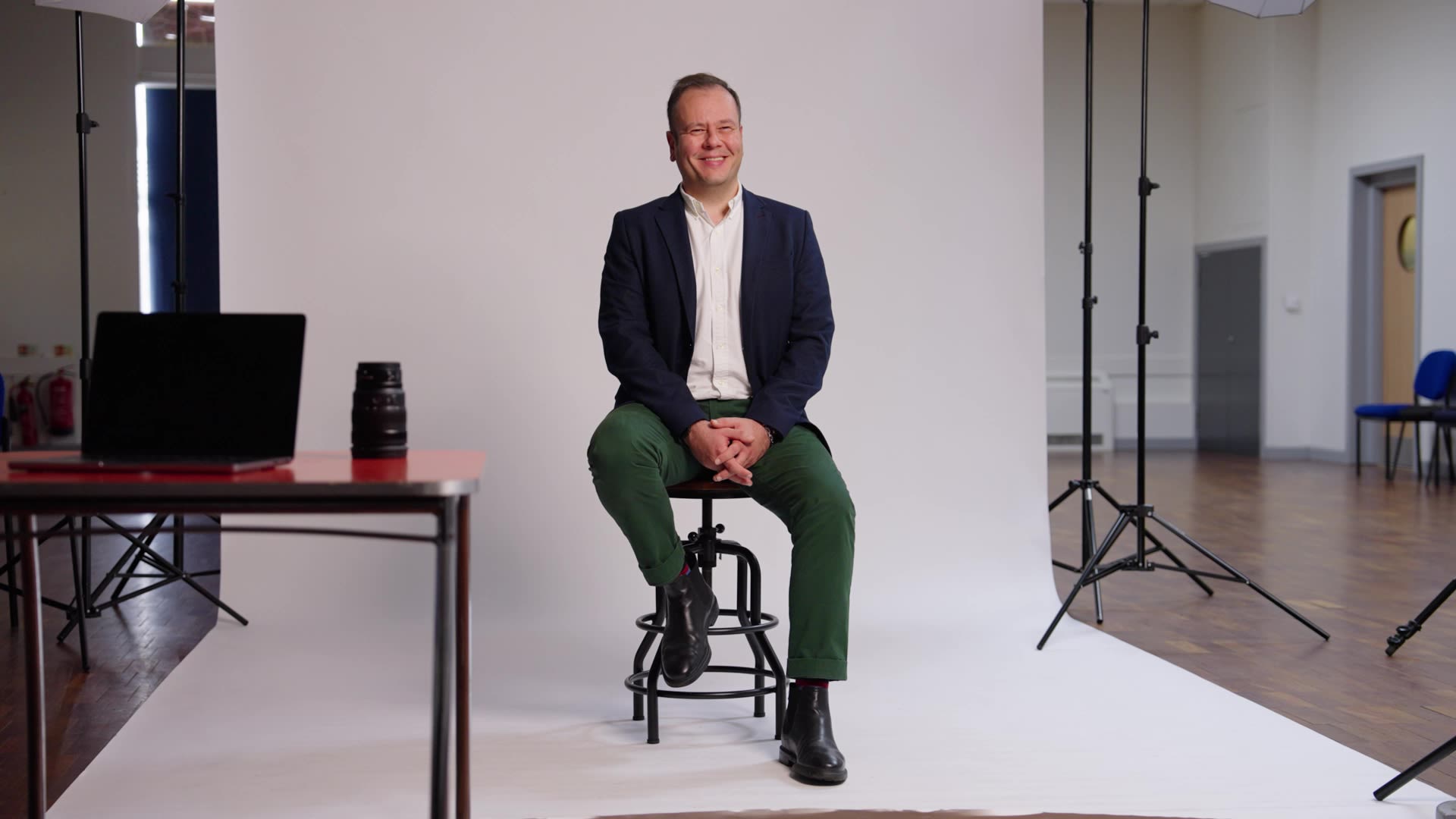
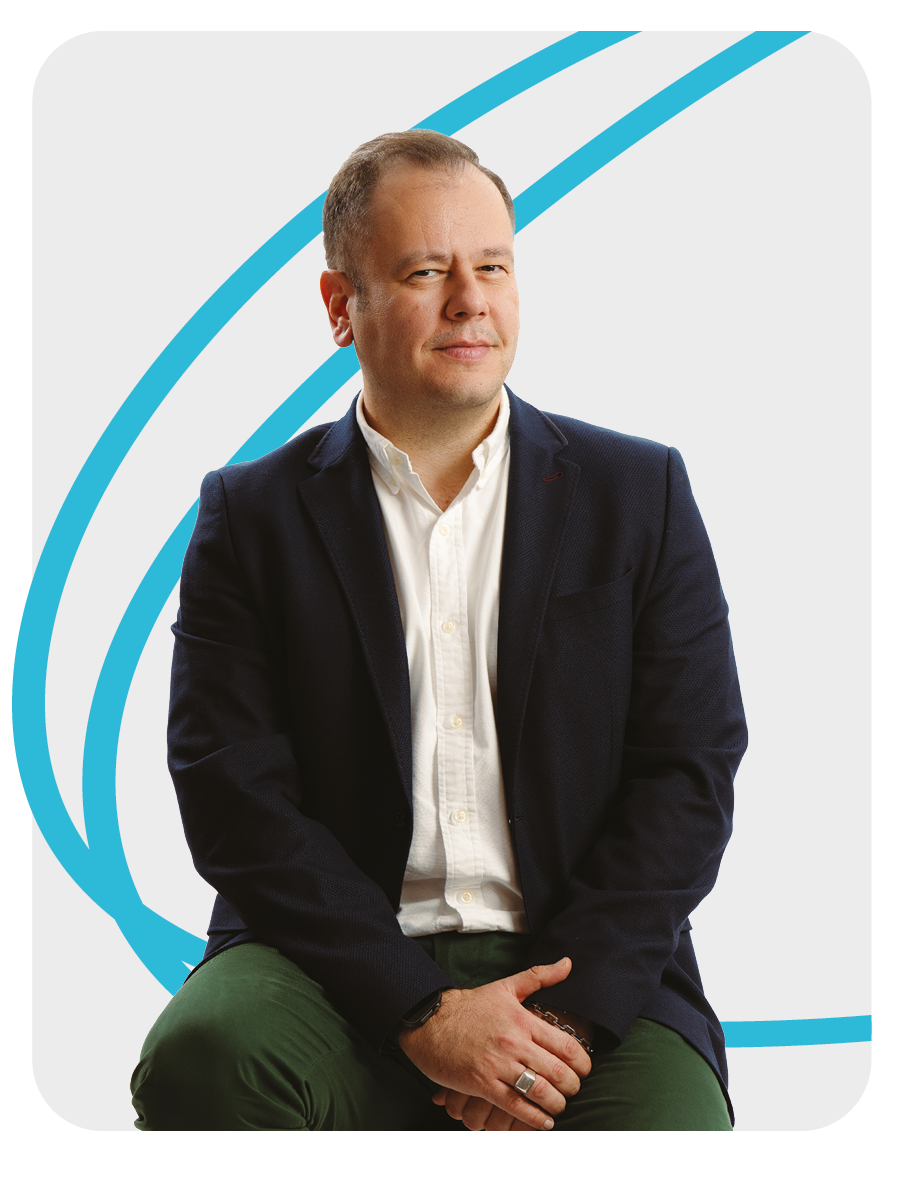
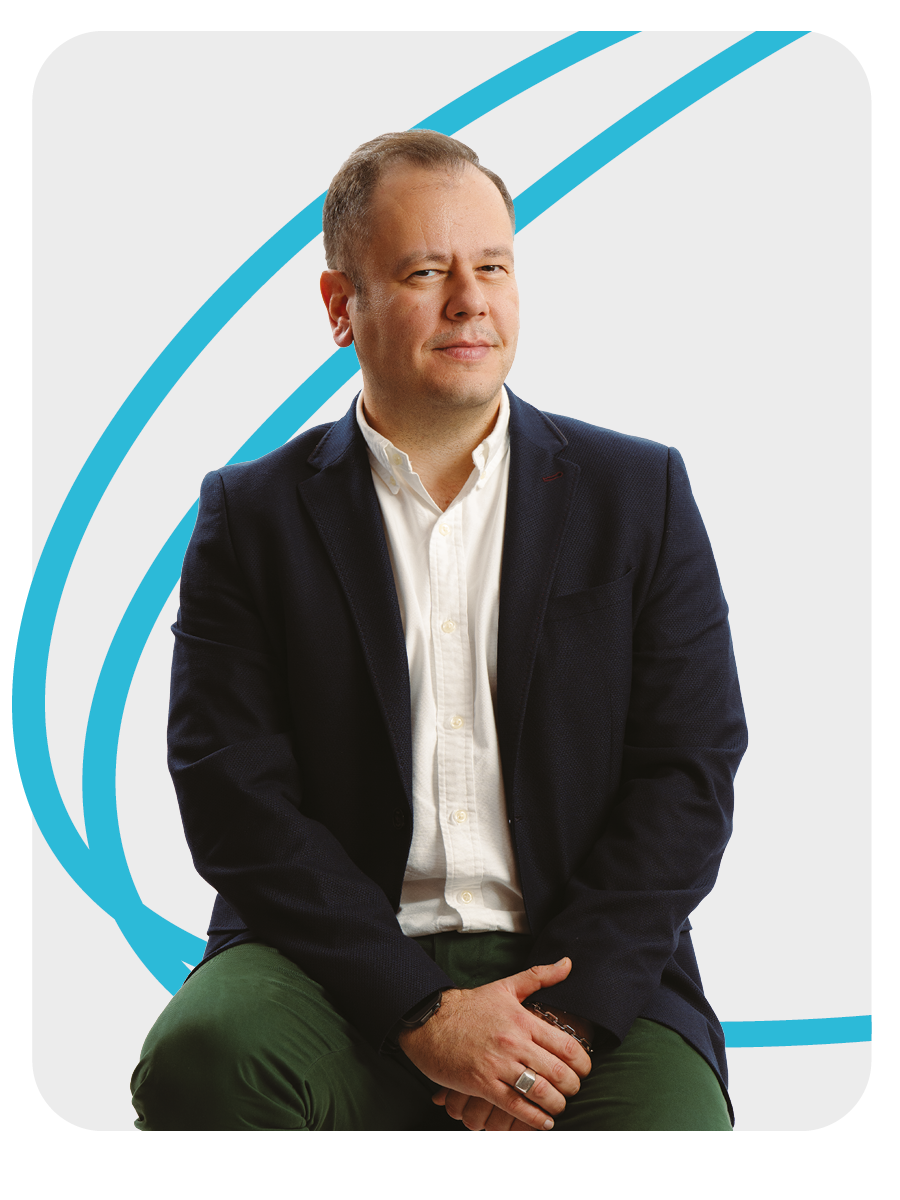
DR KAROLOS PAPADAS
Associate Professor of Marketing, University of York

CEREAL
FOR CHANGE
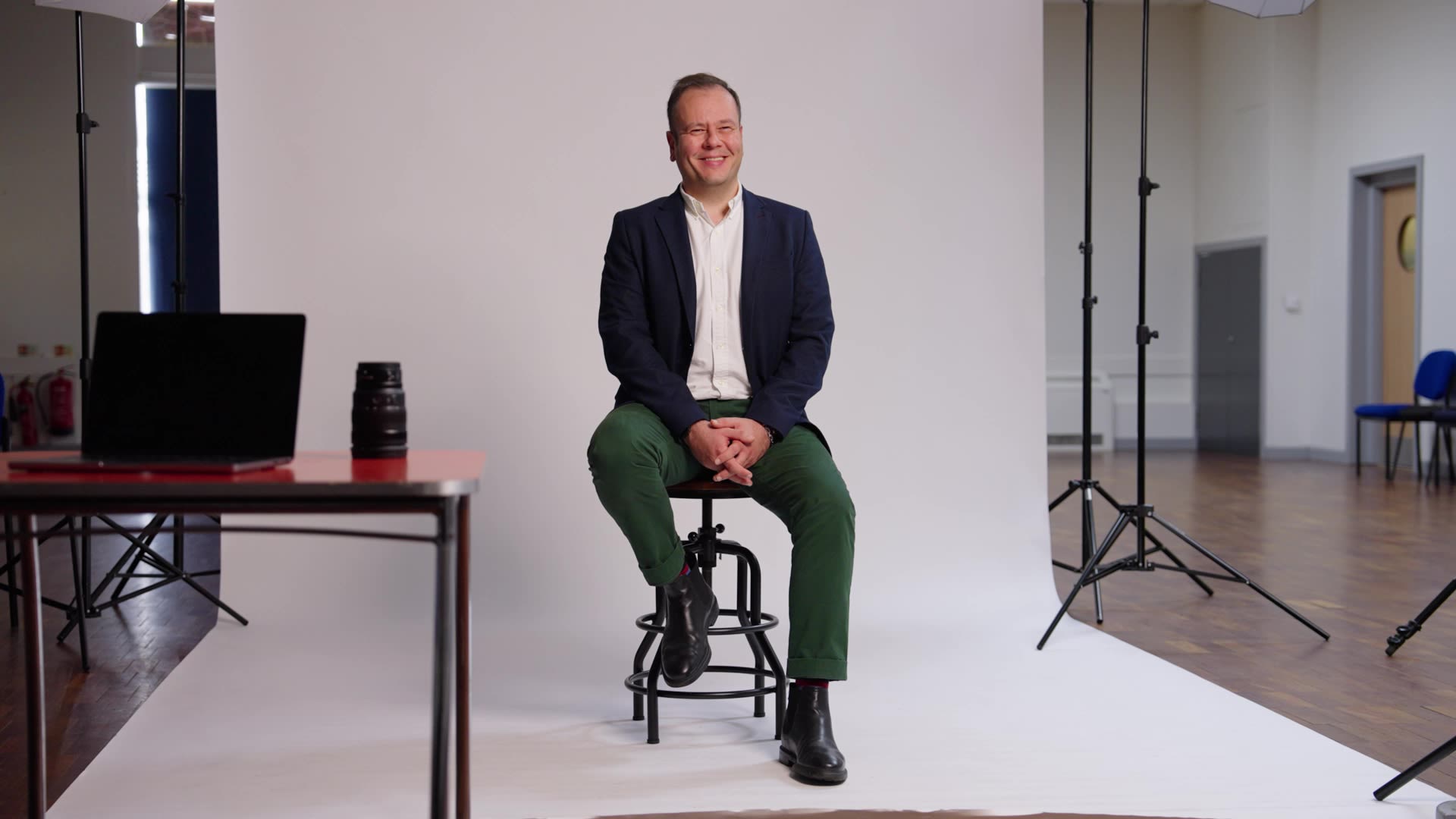
DR KAROLOS PAPADAS
Associate Professor of Marketing, University of York
In Ghana, malnourishment disproportionately affects children from the north of the country. It’s an area that’s susceptible to the effects of climate change, with floods and droughts often affecting harvests. Working with local organisations, Dr Karolos Papadas, and his team, developed a new cereal to provide sustainable life-saving nutrition.
In Ghana, malnourishment disproportionately affects children from the north of the country. It’s an area that’s susceptible to the effects of climate change, with floods and droughts often affecting harvests. Working with local organisations, Dr Karolos Papadas, and his team, developed a new cereal to provide sustainable life-saving nutrition.
Identifying the need
"In my life, I have witnessed how business and community can shape lives. This experience ignited my lifelong commitment to aligning purpose with marketing in ways that create real impact for society.
"My research focuses on the intersection of marketing strategy, branding, and sustainability. I explore how businesses can use marketing to drive commercial success and positive social and environmental change. In my research career, I've seen first-hand how an issue in one part of the world can inspire a solution from another.
"When I joined the University of York, I began working closely with a colleague with connections to a university in Ghana. The country is facing a critical challenge with child malnutrition.
"Everyday conveniences we take for granted in the Global North, like packaged foods and easy access to clean water, are not readily available for many people in Ghana. We set out to develop a product to combat malnutrition, improving the health and well-being of children, and beyond that, build a system that would help an entire community thrive."
Creating a product
"Marketing might not seem like the obvious route to tackling malnutrition, but it’s essential to understand people’s needs and make them aware of what’s available.
"As a research team, we began by seeking to truly understand our consumers, both parents and children. We wanted to create a cereal product that was not only nutritious and authentic, but also stylish and desirable, comparable to global brands.
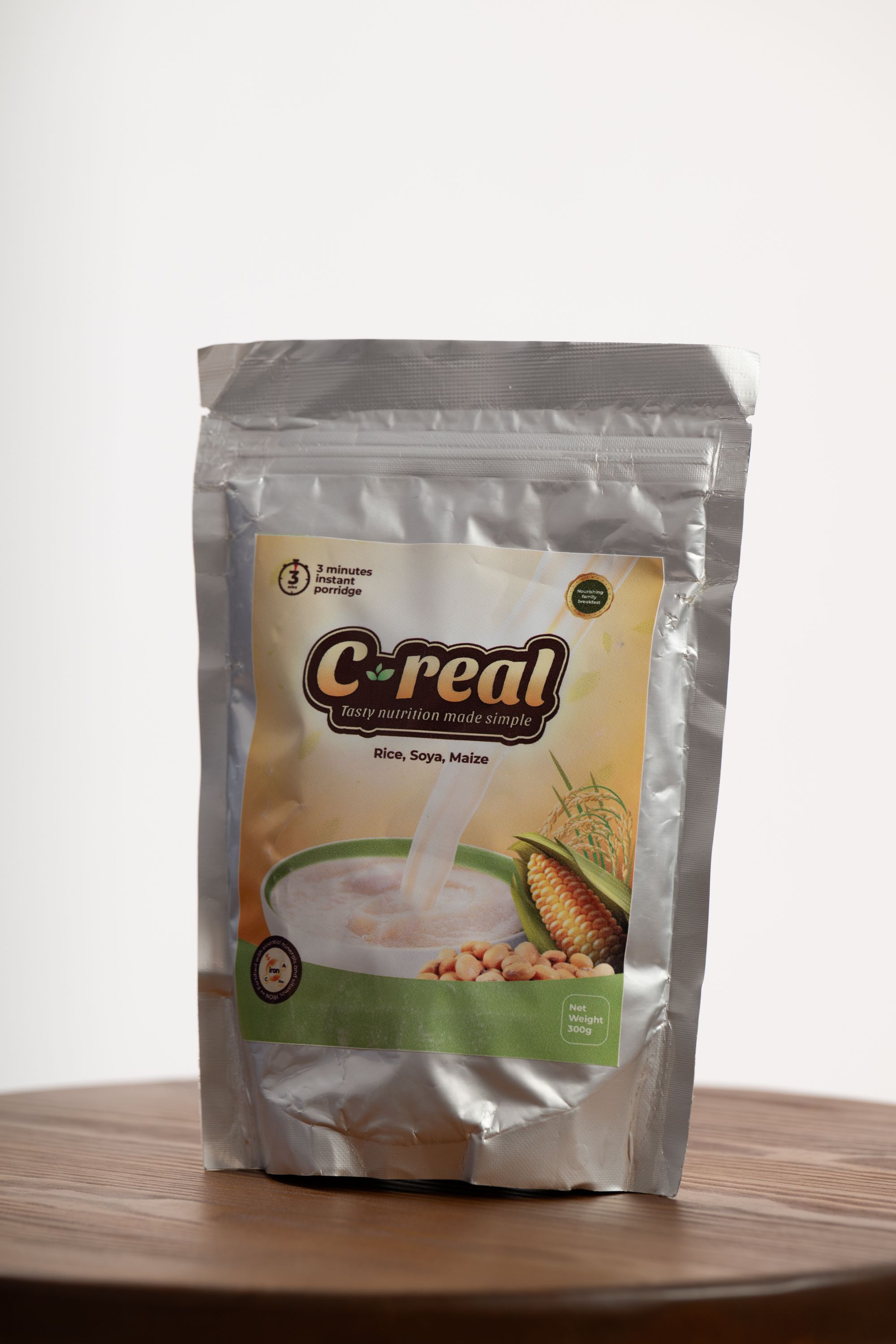
"The product we developed had a strong marketing and branding strategy, and a brand name: C-Real. In Ghana, the widespread use of English and interest in Western culture allowed us to blend both local and global elements in our brand identity.
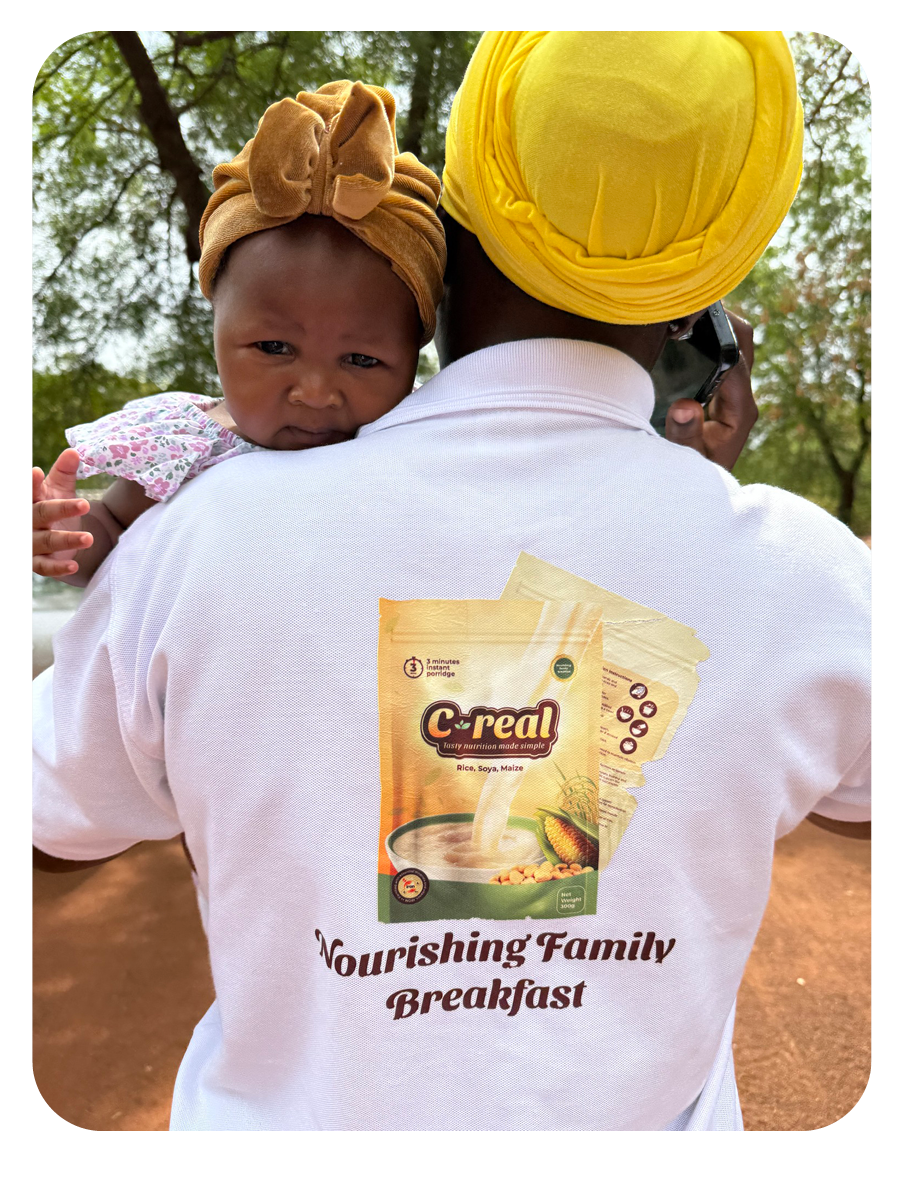
"C-Real is made with fortified flour and locally sourced indigenous ingredients. It’s highly nutritious and genuinely very tasty, scoring top in blind taste tests."


Identifying the need
"In my life, I have witnessed how business and community can shape lives. This experience ignited my lifelong commitment to aligning purpose with marketing in ways that create real impact for society.
"My research focuses on the intersection of marketing strategy, branding, and sustainability. I explore how businesses can use marketing to drive commercial success and positive social and environmental change. In my research career, I've seen first-hand how an issue in one part of the world can inspire a solution from another.
"When I joined the University of York, I began working closely with a colleague with connections to a university in Ghana. The country is facing a critical challenge with child malnutrition.
"Everyday conveniences we take for granted in the Global North, like packaged foods and easy access to clean water, are not readily available for many people in Ghana. We set out to develop a product to combat malnutrition, improving the health and well-being of children, and beyond that, build a system that would help an entire community thrive."
Creating a product
"Marketing might not seem like the obvious route to tackling malnutrition, but it’s essential to understand people’s needs and make them aware of what’s available.
"As a research team, we began by seeking to truly understand our consumers, both parents and children. We wanted to create a cereal product that was not only nutritious and authentic, but also stylish and desirable, comparable to global brands.
"The product we developed had a strong marketing and branding strategy, and a brand name: C-Real. In Ghana, the widespread use of English and interest in Western culture allowed us to blend both local and global elements in our brand identity.
"C-Real is made with fortified flour and locally sourced indigenous ingredients. It’s highly nutritious and genuinely very tasty, scoring top in blind taste tests."

"The project has had a tremendous influence on my teaching. I present it as a real-world case study, showing students how theories can be put into practice."
Working with industry
"Creating a sustainable solution to malnutrition means more than just importing food. By using local products, we created jobs in the area, building self-reliance. Local retailers get a profitable margin. Health clinics can prescribe C-Real, saving children’s lives.
"We spent the first year restructuring supply chains and working with farmer groups to offer training in modern agricultural practices. We made it a priority to include female farmers, who are expert in growing soya, empowering women in the community. In essence, we triggered a systemic change in the local economy."
Seeing first-hand
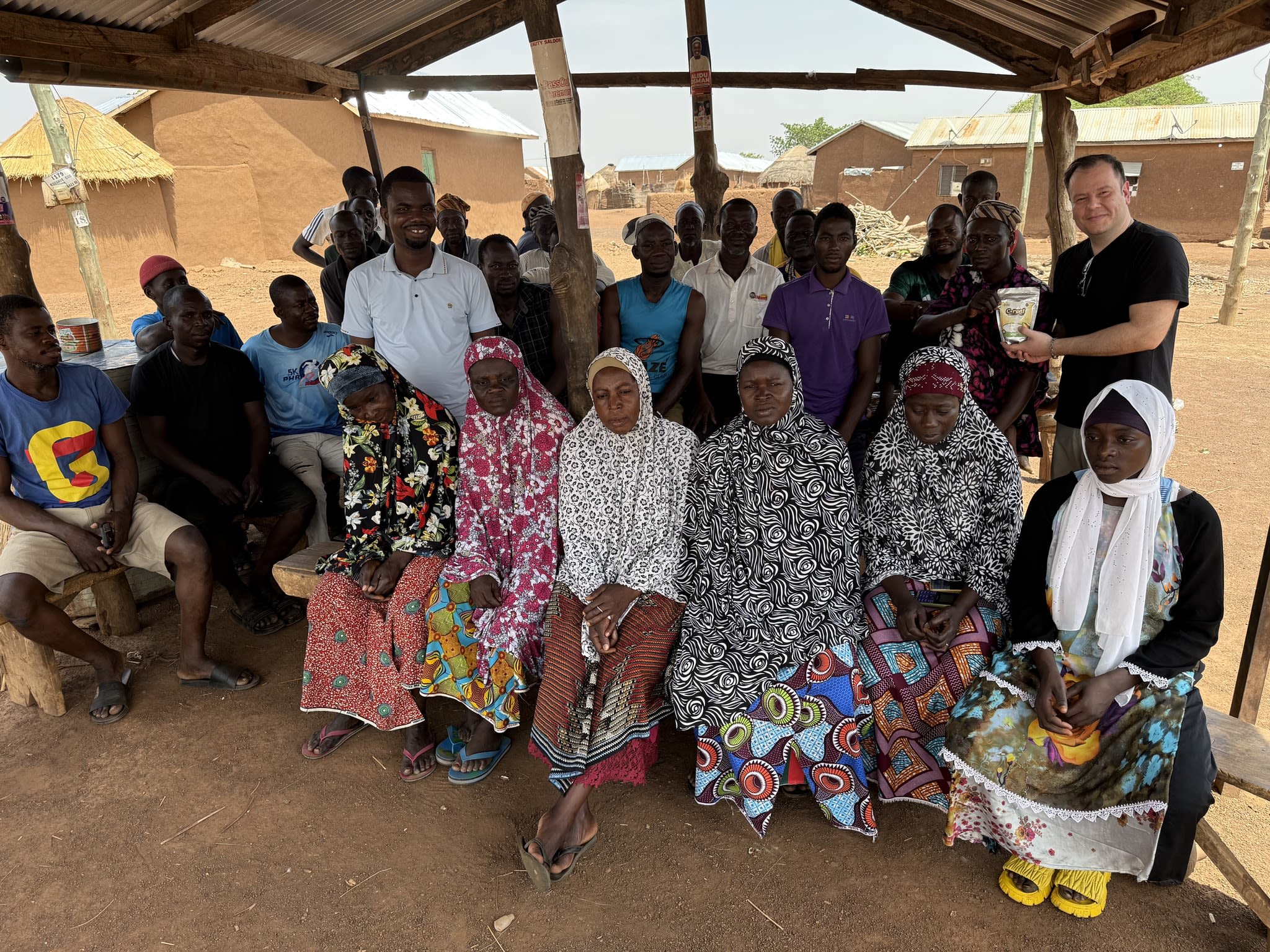
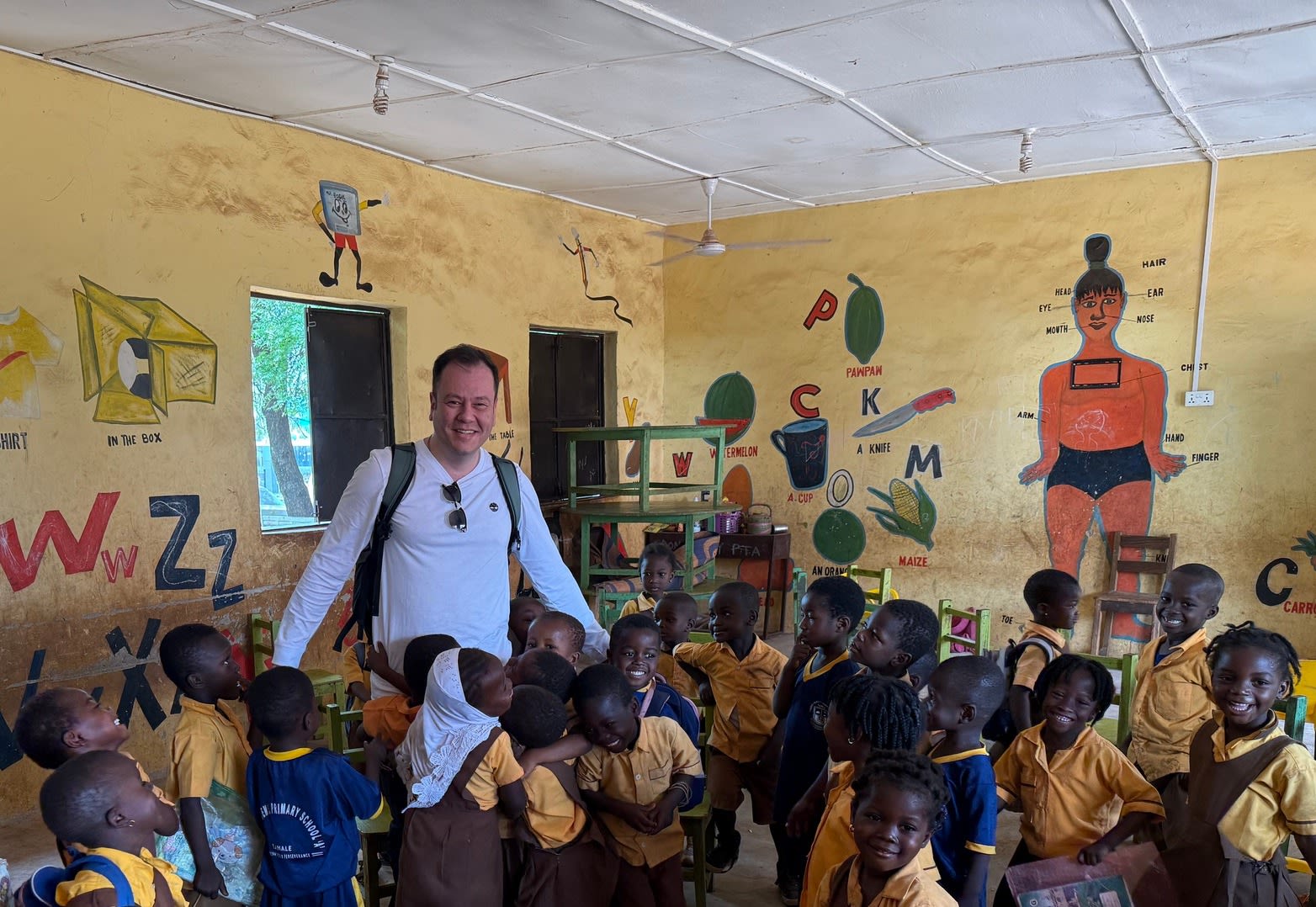
"I was overjoyed to be able to visit Ghana myself, where I spoke with farmers, and saw the crops we helped to cultivate. I visited the health clinics, where I met children helped by C-Real, and spoke with mothers who shared stories of their children's improved weight and energy. Encounters like this are unforgettable, a reminder that our research truly has the power to change lives.
"The project has had a tremendous influence on my teaching. I present it as a real-world case study at the end of a semester on branding, showing students how theories can be put into practice, and the impact this can have.
"I believe that true fulfilment comes from doing something that speaks to your heart. This project has profoundly shaped my career, shifting my focus from just academic output to creating something impactful in the world. It has given me a sense of purpose that no other academic achievement ever could, so far."
Project success
"The project's success exceeded all our expectations, and paved the way for additional funding. This allowed us to expand our work and act as a best-practice model for other countries, and we’re currently exploring export opportunities in Togo and Burkina Faso.
"We’ve used the extra funds to build our own factory in the region. It's a testament to how far we've come, from a small-scale operation to a recognised and self-sufficient company. Our work has truly created a lasting legacy."

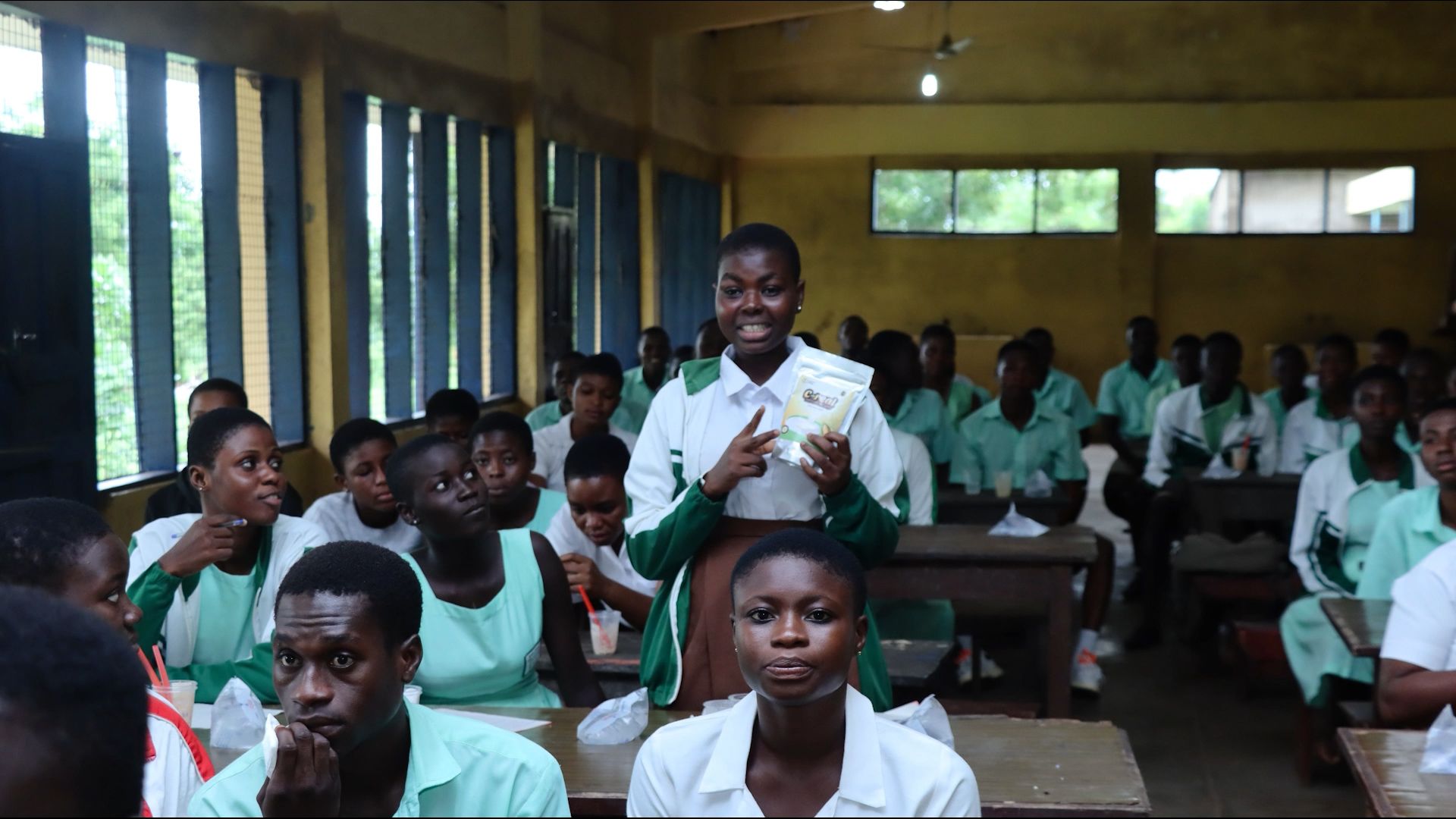


The C-Real project is an international collaboration between York’s School for Business and Society, working with the University for Development Studies, Ghana, and Tropical AgriFoods Limited, a social business based in northern Ghana.
The project won the Best African Agriculture Knowledge Transfer Partnership Award, the Changing the World Award from Innovate UK. It has also been featured as a best practice case study in the United Nations’ Envoy magazine, and in the Financial Times.
This success was instrumental in securing a $100,000 grant, facilitated by support from the UK High Commission and the Science and Innovation Hub in Ghana. The University of York KTP team supported the project significantly across all its phases.
The project is now poised for its next phase, increasing production to achieve greater regional and national impact across Ghana.
 Built with Shorthand